

Featured

Sign up to receive recipes, how-tos, exclusives, and more from TeaTime.
LATEST ISSUE
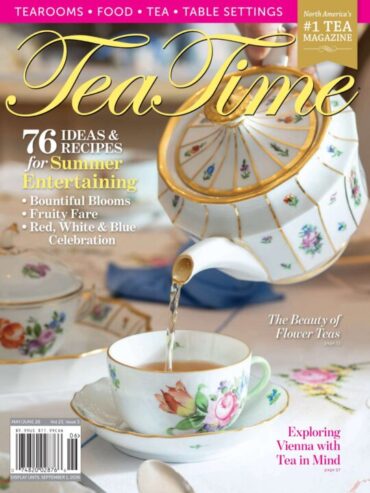
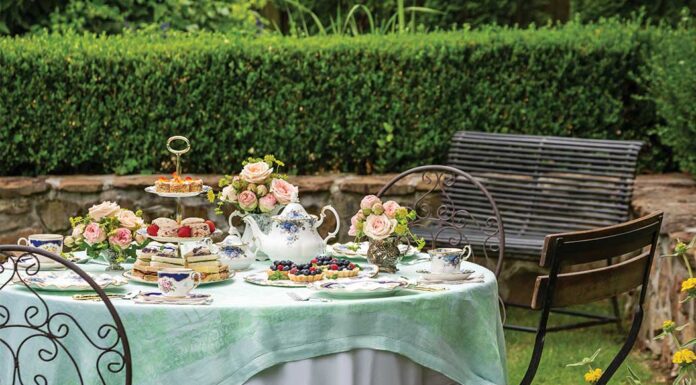



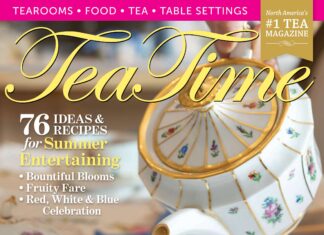
Pour a cup of tea, and prepare to dive into the beauty and magic of our brand-new May/June issue on newsstands now! Celebrate summer with lovely tea menus filled with fruity fare and inspiring tablescapes that celebrate America’s semiquincentennial, the allure of an alfresco teatime, and an affinity for tennis. Explore favorite tea venues in Vienna, learn about the allure of flower teas, and discover botanical-themed afternoon teas in London. To discover more and purchase, visit https://hoffmanmediastore.com/product/teatime-may-june-2026/.
Royal Copenhagen "Henriette" teapot courtesy of @replacementsltd.
•
•
•
#TeaTimeMagazine #AfternoonTea #TeaTime #TimeForTea #Tea #Summer #Tennis #Americana #NewIssue #SummerTeaParty #SummerTablescapes


Happy Mother`s Day from TeaTime! 🫖 💕 We hope that your day is filled with sweet moments, plenty of tea, pretty china, and good company.
Royal Albert "Moonlight Rose" teapot and Royal Worcester "Charlotte" teacup and saucer set courtesy of @replacementsltd.
•
•
•
#TeaTimeMagazine #AfternoonTea #TeaTime #TimeForTea #TeaParty #Tea #Teapot #Teacup #MothersDay #GardenTea #Garden #AtHomewithReplacementsLtd.

"You`re only here for a short visit. Don`t hurry. Don`t worry. And be sure to smell the flowers along the way."—Walter C. Hagen
China courtesy of @replacementsltd.
•
•
•
#TeaTimeMagazine #AfternoonTea #TeaTime #TimeForTea #TeaParty #Tea #Teapot #Teacup #Antiques #TeaTable

If you haven`t been able to snag a tea reservation at @tiffanyandco`s luxurious @blueboxcafenyc in New York City, then these gorgeous confections—sporting a similar shade of blue—might suffice in the meantime. Our delectable trio of sweets, including New York–Style Petite Cheesecakes, White Chocolate Macarons, and Blue Battenberg Cake, finish any occasion on a sweet note. Find the recipes by clicking the link in our bio, or visiting https://teatimemagazine.com/honor-mothers-day-tea/4/.
•
•
•
#TeaTimeMagazine #AfternoonTea #TeaTime #TimeForTea #Tea #Spring #Sweets #Recipes #TeaParty #Macarons #BattenbergCake #MothersDay #FineChina #SpringTablescape


Beautiful china courtesy of @replacementsltd.
•
•
•
#TeaTimeMagazine #AfternoonTea #TeaTime #TimeForTea #Tea #Spring #May #SpringTea #SpringTable

Charming, butterfly-shaped linzer cookies, scrumptiously flavored with a white chocolate and lemon curd filling, provide a terrific treat for a whimsical afternoon tea. We would pair this picturesque confection with @driftwood_tea_company`s "Jasmine Orchard Oolong Tea." Find the recipe at https://teatimemagazine.com/white-chocolate-lemon-linzer-cookies/.
China is @luxedecor`s Vista Alegre "Butterfly Parade."
•
•
•
#TeaTimeMagazine #AfternoonTea #TeaTime #TimeForTea #TeaParty #Tea #Recipe #Spring #Butterfly #ButterflyCookies #Cookies #LinzerCookies

Celebrate the @kentuckyderby this weekend in style with a gorgeous Peach Rose Cheesecake, refreshing Lavender-Green Tea Mint Juleps, copious cups of tea, and much more. Find the menu at the link in our bio, or visit https://teatimemagazine.com/off-to-the-races-kentucky-derby-tea/.
China courtesy of @replacementsltd.
•
•
•
#TeaTimeMagazine #AfternoonTea #TeaTime #TimeForTea #TeaParty #Tea #KentuckyDerby #DerbyParty #Derby #AtHomewithReplacementsLtd.
