

Featured


Sign up to receive recipes, how-tos, exclusives, and more from TeaTime.
LATEST ISSUE



Smoked Gouda cheese and everything bagel seasoning give these scones marvelous savory notes that are sure to please. We recommend pairing these tasty scones with @simpsonvailtea`s "Formosa Oolong Tea." Find the recipe by clicking the link in our bio, or visiting https://teatimemagazine.com/everything-bagel-scones/.
China courtesy of @replacementsltd.
•
•
•
#TeaTimeMagazine #AfternoonTea #TeaTime #TimeForTea #TeaParty #Tea #Scones #SconesAndTea #Recipes #AtHomeWithReplacementsLtd


“All I want is a peaceful place where flowers can bloom, birds can sing, and the mind can fly with joy.”—Dr. Debasish Mridha
China is @wedgwood "Hummingbird."

Calling all blue-and-white fanatics and tea lovers! Teatime meets toile in this charming traveling tote and matching pouch set from @printfresh. A lovely and playful tea scene adorns these pieces that are perfect for a plethora of occasions. Find these brand-new items available for purchase on our site at https://hoffmanmediastore.com/product-category/brands/teatime/.
•
•
•
#TeaTimeMagazine #AfternoonTea #TeaTime #TimeForTea #TeaParty #Tea #TeaTote #PrintFresh #TeaThings

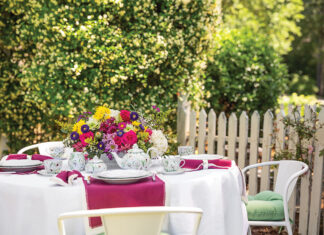
Whether served before or after a reading of classic tales, this children`s storybook tea party is full of whimsically shaped treats that guests of all ages will surely enjoy. Find the menu and more by clicking the link in our bio, or visit https://teatimemagazine.com/childrens-storybook-tea/.
Royal Doulton "Brambly Hedge" china and Wedgwood "Peter Rabbit" china courtesy of @replacementsltd.
•
•
•
#TeaTimeMagazine #AfternoonTea #TeaTime #TimeForTea #TeaParty #Tea #Teapot #TeaRecipes #Recipes #AtHomeWithReplacementsLtd #PetterRabbit #ChildrensTea

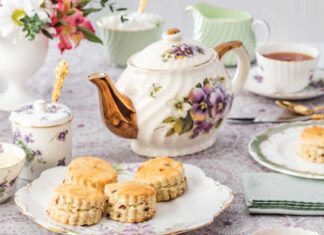
Scones are almost as synonymous with afternoon tea as the beverage itself. The traditional teatime staple comes in many different sizes, shapes, and flavors, but one thing remains the same: the methods to create the ultimate scone are similar. Our editor, recipe developers and food stylists in our test kitchen, and our London-based contributing editor, Jane Pettigrew—share their best practices for preparing a scrumptious and photo-worthy scone. Here are their tips for perfecting the art of the delightful bake. For more trade secrets and a bounty of scone recipes, purchase our book, Teatime Scones, at https://hoffmanmediastore.com/product/teatime-scones/.
•
•
•
#TeaTimeMagazine #AfternoonTea #TeaTime #TimeForTea #Tea #TeaParty #Scones #SconesAndTea #SconeTips #AfternoonTeaTips

Time is running out to join us on our epic adventures in Scotland next month! Register now at the link in our bio, or visit https://hoffmanmedia.wetravel.com/i/6984f216926381c73daec4ee.
•
•
•
#TeaTime #TeaTimeMagazine #Tea #ScottishHighlands #Edinburgh #TeaTravel #Scotland


Flower-shaped tea sandwiches are always appropriate for teatime in the summer. These Curried Ham Salad & Pineapple Flower Sandwiches and Carrot, Radish & Mint Flower Sandwiches are delectable, refreshing, and add beauty and whimsy to the savories course. What tea would you pair with these lovely bites? Find the recipes at https://teatimemagazine.com/flower-filled-fete/.
China courtesy of @replacementsltd.
•
•
•
#TeaTimeMagazine #AfternoonTea #TeaTime #TimeForTea #TeaParty #Tea #Teapot #Flowers #GardenTea #Spring #TeaSandwiches #TeaRecipes #Recipes #AtHomeWithReplacementsLtd
